

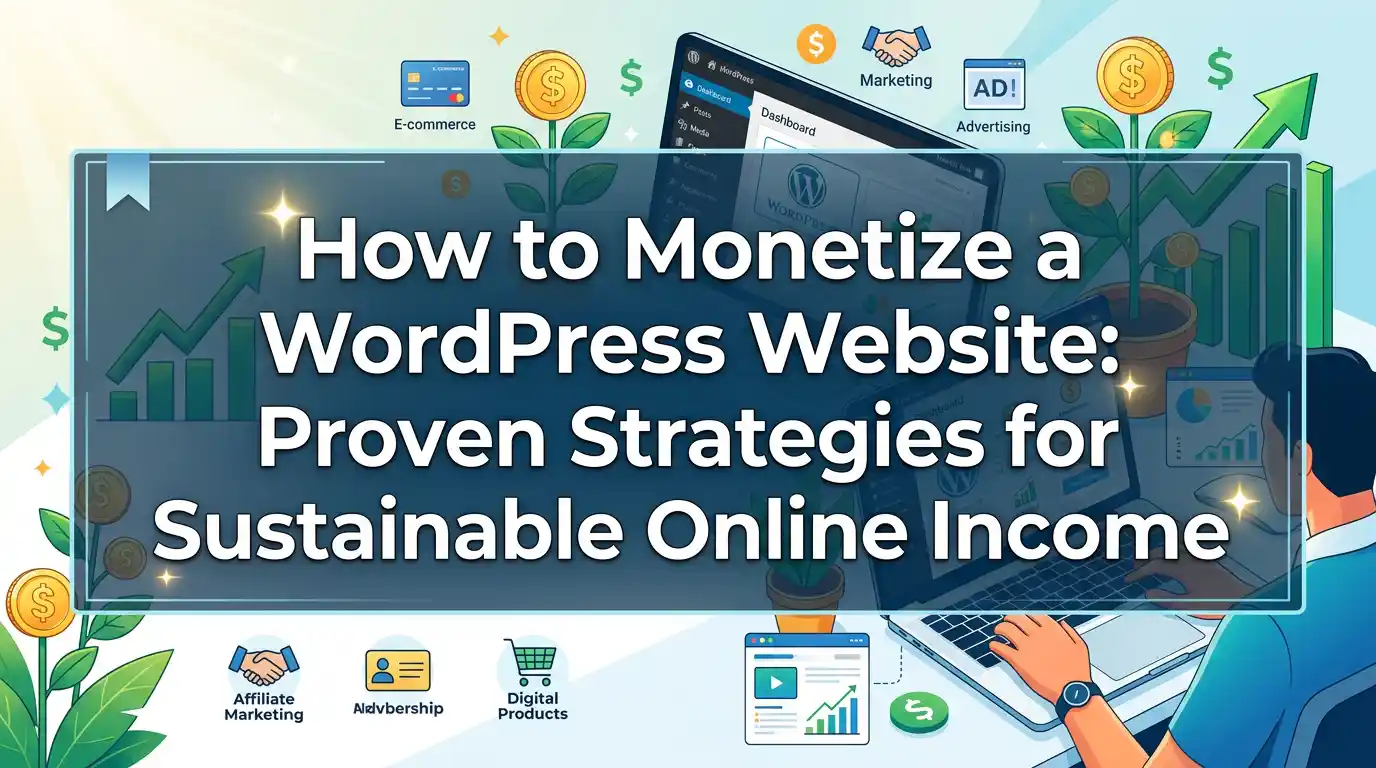
Monetizing a WordPress website doesn’t happen by accident—it requires a strategic blend of content quality, audience engagement, and smart monetization techniques. Whether you’re running a blog, an online store, or a niche informational site, WordPress offers powerful tools and integrations to help you turn your digital presence into a revenue stream. From affiliate marketing to premium content, the key lies in aligning your monetization methods with your audience’s needs and your site’s long-term goals. In this guide, we’ll walk you through practical, step-by-step strategies to effectively monetize your WordPress website and build a profitable online business.
Understanding the Basics of WordPress Monetization
Before diving into specific methods, it’s important to understand that monetizing a WordPress website isn’t just about adding ads. It’s about creating value for your visitors while generating income. The most successful websites balance user experience with revenue generation. Popular methods include display advertising, affiliate marketing, digital product sales, memberships, and sponsored content. Each approach has its own setup requirements, audience expectations, and scalability potential. Choosing the right mix depends on your content niche, traffic volume, and long-term vision.
- Assess your website’s niche and audience demographics
- Analyze your current traffic sources and engagement metrics
- Choose monetization methods aligned with your content and audience
- Prioritize user experience to maintain trust and retention
How to Monetize a WordPress Website: The Most Effective Methods
There are several proven ways to generate income from your WordPress site. The most effective approaches combine multiple revenue streams while maintaining site performance and user satisfaction. Let’s explore the top strategies used by successful WordPress publishers and entrepreneurs.
1. Affiliate Marketing Integration
Affiliate marketing is one of the most accessible ways to monetize a WordPress website, especially for bloggers and content creators. By promoting products or services relevant to your audience and earning a commission on each sale made through your referral link, you create a passive income stream. Platforms like Amazon Associates, ShareASale, and ClickBank offer thousands of products across various niches. To succeed, focus on building trust through honest reviews and transparent disclosures. Use call-to-action buttons strategically within your content and sidebar widgets to guide visitors toward relevant affiliate offers.
Plugins like ThirstyAffiliates and Pretty Links help manage and optimize your affiliate links, improving click-through rates and tracking performance. Remember, the key to successful affiliate marketing on WordPress is relevance—your recommendations should genuinely benefit your readers. Over time, this builds credibility and increases conversion rates. Regularly update your affiliate content to reflect product changes, new launches, or shifting audience interests.

2. Display Advertising and Google AdSense
Display advertising, particularly through Google AdSense, is a widely used method to monetize WordPress websites with consistent traffic. AdSense automatically generates targeted ads based on your content and visitor demographics, placing them in strategic locations such as sidebars, headers, and within posts. While the revenue per click may be modest, high-traffic sites can generate substantial income. To maximize earnings, focus on increasing your page views and improving your site’s loading speed, as faster sites tend to have lower bounce rates and higher ad engagement.
Consider using ad placement plugins like Ad Inserter or Advanced Ads to control where and how often ads appear. Avoid overloading your pages with too many ads, as this can degrade user experience and reduce long-term revenue. Instead, aim for a balanced approach that supports your content without distracting readers. Additionally, A/B testing different ad formats and placements can help identify what works best for your audience. Remember, transparency is crucial—always disclose paid advertisements to maintain trust and comply with advertising policies.
3. Selling Digital Products
Creating and selling digital products is a powerful way to monetize a WordPress website, especially if you have expertise in a specific area. Digital products such as eBooks, online courses, printables, templates, and software can be sold directly through your site using plugins like WooCommerce or Easy Digital Downloads. These products don’t require inventory management or shipping, making them ideal for scalable online income. To attract buyers, offer high-quality, valuable content that solves real problems for your audience.
Use compelling product descriptions, customer testimonials, and limited-time offers to boost conversions. Integrate upselling and cross-selling features to increase average order value. For example, if someone purchases an eBook, suggest a related course or checklist as an add-on. Email marketing plays a crucial role here—collect leads through lead magnets (like free guides) and nurture them with follow-up sequences that introduce your paid products. With the right strategy, digital products can become a highly profitable and sustainable revenue stream.
4. Membership and Subscription Models
Monetizing through memberships or subscriptions is ideal for WordPress websites that offer exclusive content, community access, or premium services. Plugins like MemberPress, Restrict Content Pro, or Ultimate Member allow you to create gated content areas where only paying members can access articles, videos, or downloadable resources. This model works exceptionally well for niche blogs, educational platforms, or professional communities. By offering consistent value, you build a loyal subscriber base that supports your site financially.
Start with a free trial or a low-cost entry tier to attract initial sign-ups, then gradually introduce higher-value tiers with additional benefits. Use email automation to onboard new members and remind inactive ones. Promote your membership benefits clearly on your homepage and in your content to drive conversions. Remember, the success of a membership site depends on the quality and exclusivity of the content you provide. Regularly gather feedback and update your offerings to meet member expectations.
5. Sponsored Content and Brand Partnerships
As your website grows in authority and traffic, brands may approach you for sponsored content or collaborations. This method of monetizing a WordPress website allows you to earn income by reviewing products, creating guest posts, or featuring brand messages in exchange for payment. Sponsored content is most effective when it feels natural and relevant to your audience. Overly promotional posts can damage trust, so focus on authentic recommendations that align with your values.
Establish clear guidelines for sponsored content, including disclosure requirements and editorial control. Use a media kit to showcase your audience demographics, traffic statistics, and past campaign results. Platforms like AspireIQ or Upfluence can help connect you with brands looking for influencers or content creators. When done right, sponsored content not only generates revenue but also strengthens relationships with industry partners and enhances your site’s credibility.
Optimizing Your WordPress Site for Monetization
Even the best monetization strategy won’t succeed if your WordPress website isn’t optimized for performance and conversions. A slow, cluttered, or poorly designed site will deter visitors and reduce income potential. Start by choosing a fast, responsive theme that works well on mobile devices—over half of web traffic comes from smartphones. Use caching plugins like WP Super Cache or W3 Total Cache to improve loading times. Compress images with tools like Smush or ShortPixel to reduce file sizes without sacrificing quality.
Install an SSL certificate to ensure secure browsing, which also boosts SEO rankings. Next, streamline your navigation and reduce pop-ups that disrupt user experience. A clean, intuitive design helps visitors find content quickly and increases the likelihood they’ll engage with your monetization elements. Use clear call-to-action buttons for affiliate links, product purchases, or membership sign-ups. Test your site on multiple devices and browsers to ensure consistent performance. Regularly audit your site for broken links, outdated content, and security vulnerabilities to maintain trust and functionality.
Building an Audience and Driving Traffic
Monetizing a WordPress website is only possible with a steady flow of visitors. Without traffic, even the most profitable monetization methods will fail. Focus on organic growth through SEO-optimized content, social media promotion, and email marketing. Create valuable, keyword-rich blog posts that answer common questions in your niche. Use tools like Yoast SEO or Rank Math to optimize titles, meta descriptions, and internal linking. Publish consistently and promote your articles on platforms like LinkedIn, Twitter, and Facebook.
Build an email list by offering free resources in exchange for sign-ups. Nurture your subscribers with regular newsletters that include valuable content, exclusive offers, and updates about new products or services. Retarget website visitors using tools like Google Ads or Facebook Pixel to bring them back with personalized ads. Collaborate with other bloggers or influencers in your niche to expand your reach. Remember, sustainable traffic growth takes time, but with persistence and strategy, it becomes the foundation of long-term monetization success.
Key Takeaways
- Monetizing a WordPress website requires a strategic mix of methods tailored to your audience and content.
- Affiliate marketing, display ads, digital products, memberships, and sponsored content are all effective revenue streams.
- Site performance, user experience, and SEO are critical to supporting monetization efforts.
- Building an engaged audience through valuable content and email marketing drives sustainable income.
- Transparency and authenticity are essential to maintaining trust with your readers and advertisers.
Frequently Asked Questions
How long does it take to start earning from a WordPress website?
It varies depending on your niche, content quality, and traffic volume. Some bloggers see initial earnings within a few months, while others may take a year or more to build consistent income. Focus on providing value and growing your audience steadily for the best results.
Do I need a lot of traffic to monetize my WordPress site?
Not necessarily. While higher traffic generally leads to more income, niche websites with highly targeted audiences can be very profitable even with moderate traffic. For example, a membership site with 1,000 active subscribers can generate more revenue than a blog with 50,000 monthly visitors if the conversion rate is strong.
Is it legal to use affiliate links on WordPress?
Yes, but you must comply with disclosure regulations, especially the FTC guidelines in the United States. Always disclose affiliate relationships clearly, such as using phrases like “This post contains affiliate links.” Transparency builds trust and ensures compliance with advertising laws.